
THE ASK.
Our team had to evaluate an assigned apparel company’s sourcing strategies, sustainability practices, and overall transparency, then present findings to an industry professional
.The goal was to analyze factory partnerships, compliance processes, technology use, and trade-policy impacts to assess how responsibly and effectively the company manages its global supply chain.
THE TEAM.
-
![]()
Jason Baloyo
Sourcing Strategies
-
![]()
Evangelina Nieves
Sourcing Strategies
-
![]()
Emily Umeres
Sustainability
-
![]()
Haley Faison
Policies & SWOT




WHO IS NIKE?
-
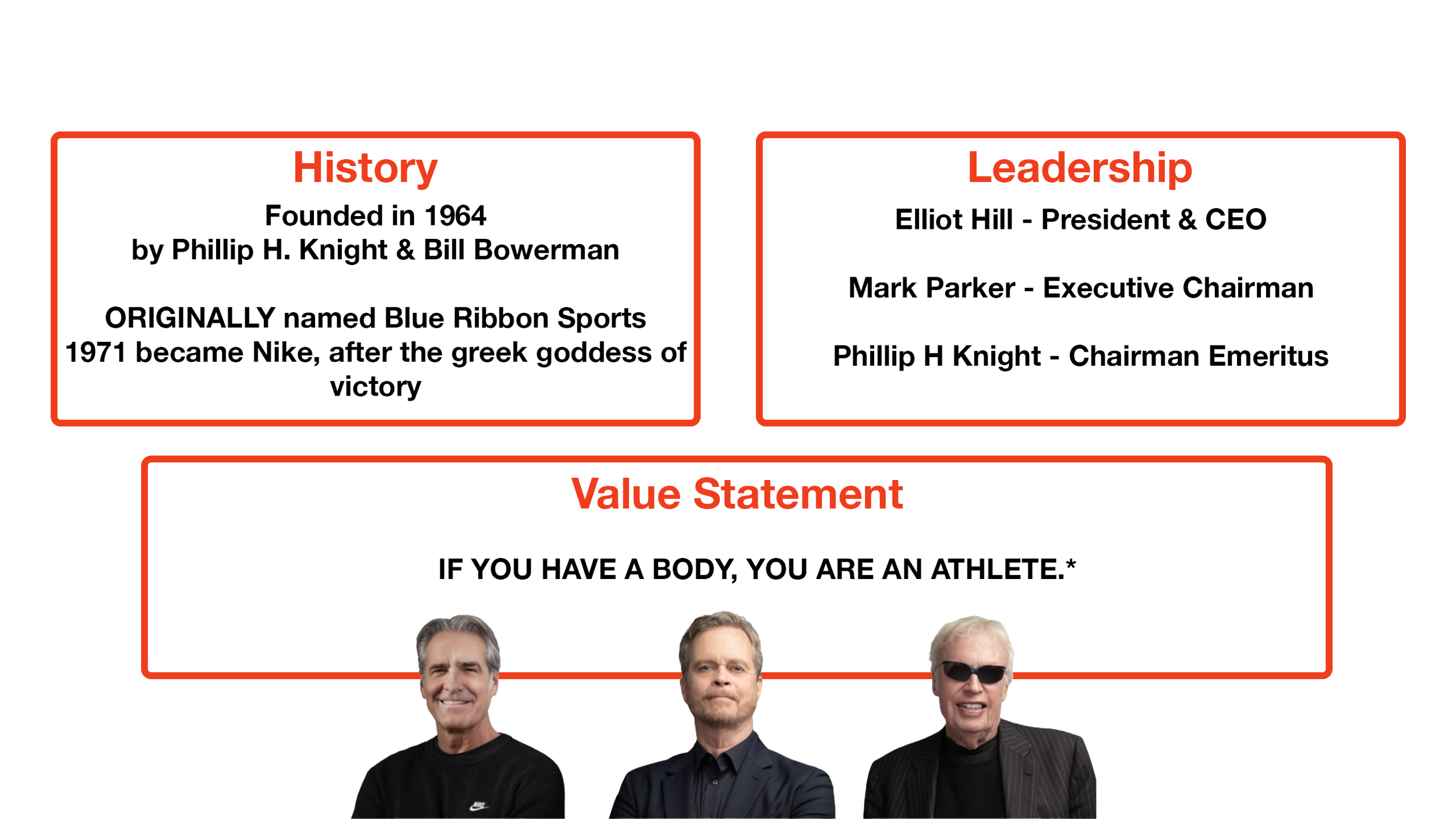
Nike serves the “everyday athlete”: anyone who uses sport or movement in their daily life, from kids and families to serious competitors. The brand targets consumers who want performance innovation blended with lifestyle design, spanning footwear, apparel, and accessories across Nike, Jordan, and Converse.
-
Formal policies for DEIA, human rights, and worker health & safety aligned with ILO standards.
Accessibility initiatives like the Accessibility Center of Excellence and Game On programs.
Community programs such as N7 and the Nike Community Impact Fund to expand access to sport.
Black Community Commitment with investments in organizations advancing racial equity.
S.W.O.T ANALYSIS.
THE RESULT.
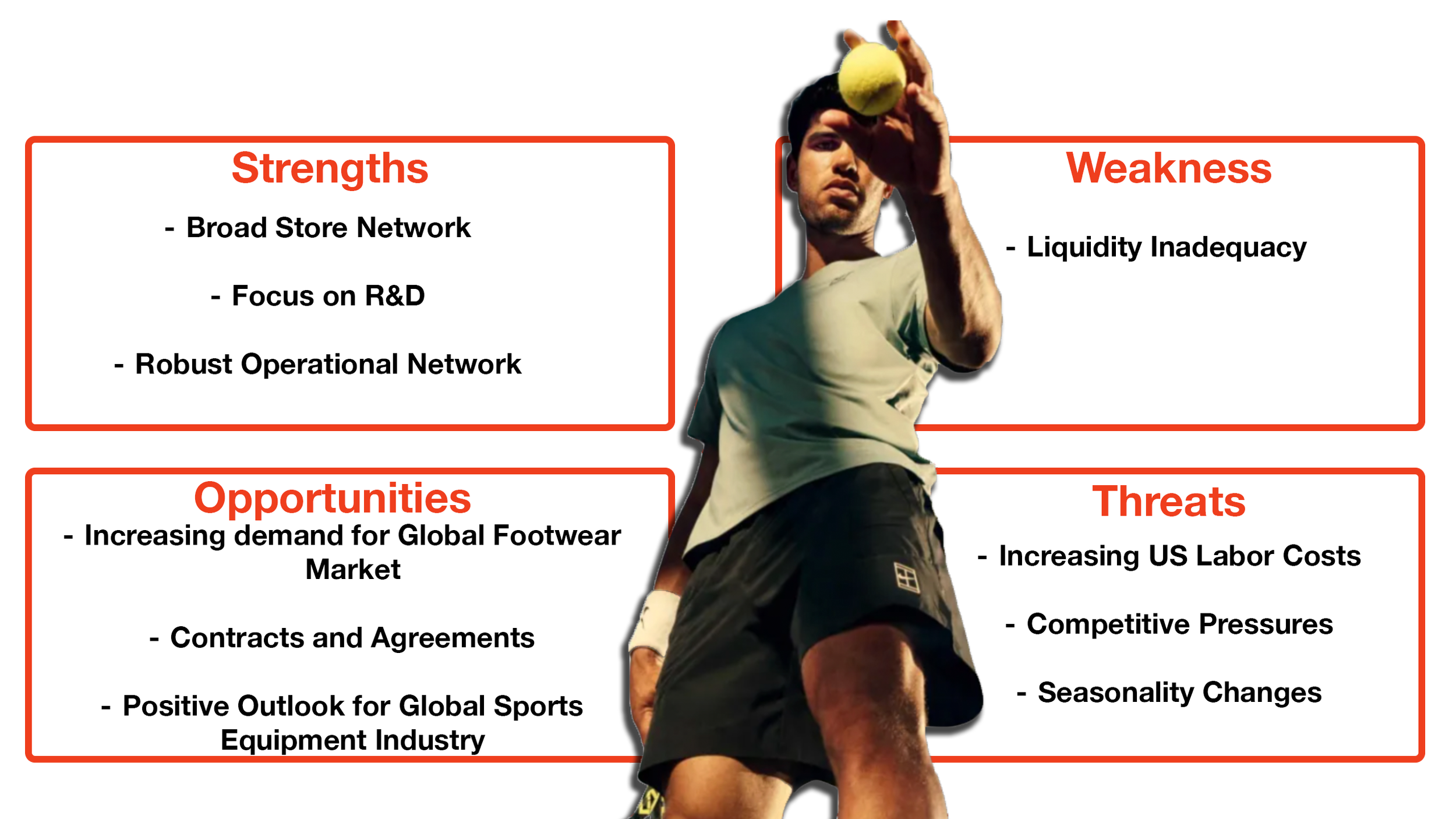
We concluded that Nike is a strong industry leader in sourcing and sustainability, supported by advanced supplier oversight and initiatives like Move to Zero.
While challenges around labor rights and heavy reliance on Asian manufacturing remain, Nike’s transparency and innovation position it ahead of many competitors, with clear momentum toward more responsible and resilient supply chains.