
How Vending Shaped My Merchandising Mindset
Pokemon As A Micro Economy
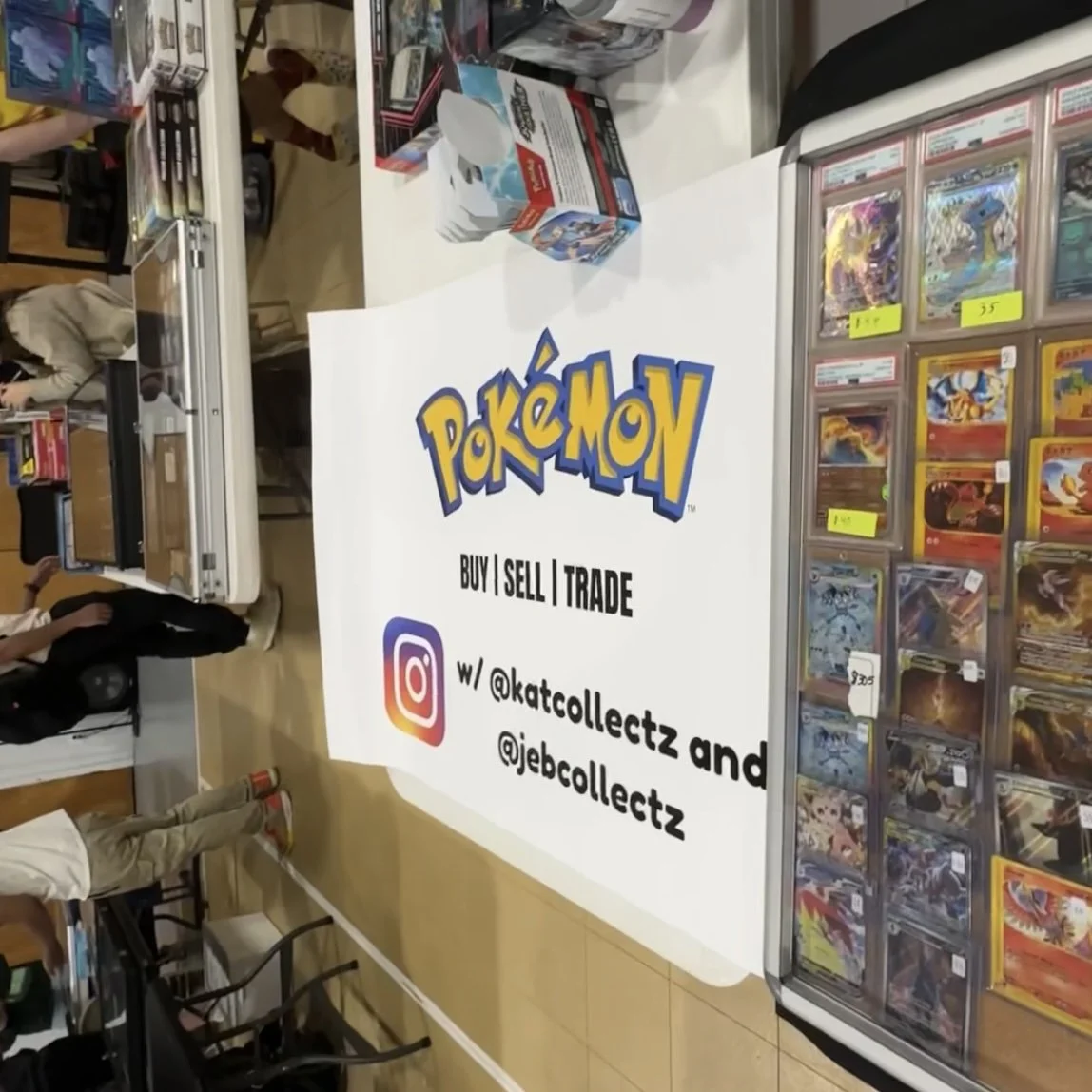
Pokémon card shows may look like hobby events, but they function like real micro-economies. Prices change by the hour, demand shifts with every release, and vendors operate in a market driven by scarcity and nostalgia. Every card—from a $3 binder pull to a $500 chase slab—reflects retail-level supply and demand. What started as a collecting hobby quickly became a lesson in how consumers respond to value, presentation, rarity, and emotion.
Vending That Mirrors Real Buying Roles
When I vend at Pokémon shows, I’m essentially acting as the buyer for my own mini retail business. I source inventory, negotiate prices, and calculate margins to ensure profit. Every choice, what to buy, what to skip, and how deep to invest mirrors real merchandising decisions. I evaluate fast movers vs. slow movers, monitor competitive pricing, and track shifts between modern and vintage demand. It’s hands-on experience in assortment planning, inventory management, and risk assessment, the exact skills used in retail buying.
Reading Consumer Behavior in Real Time
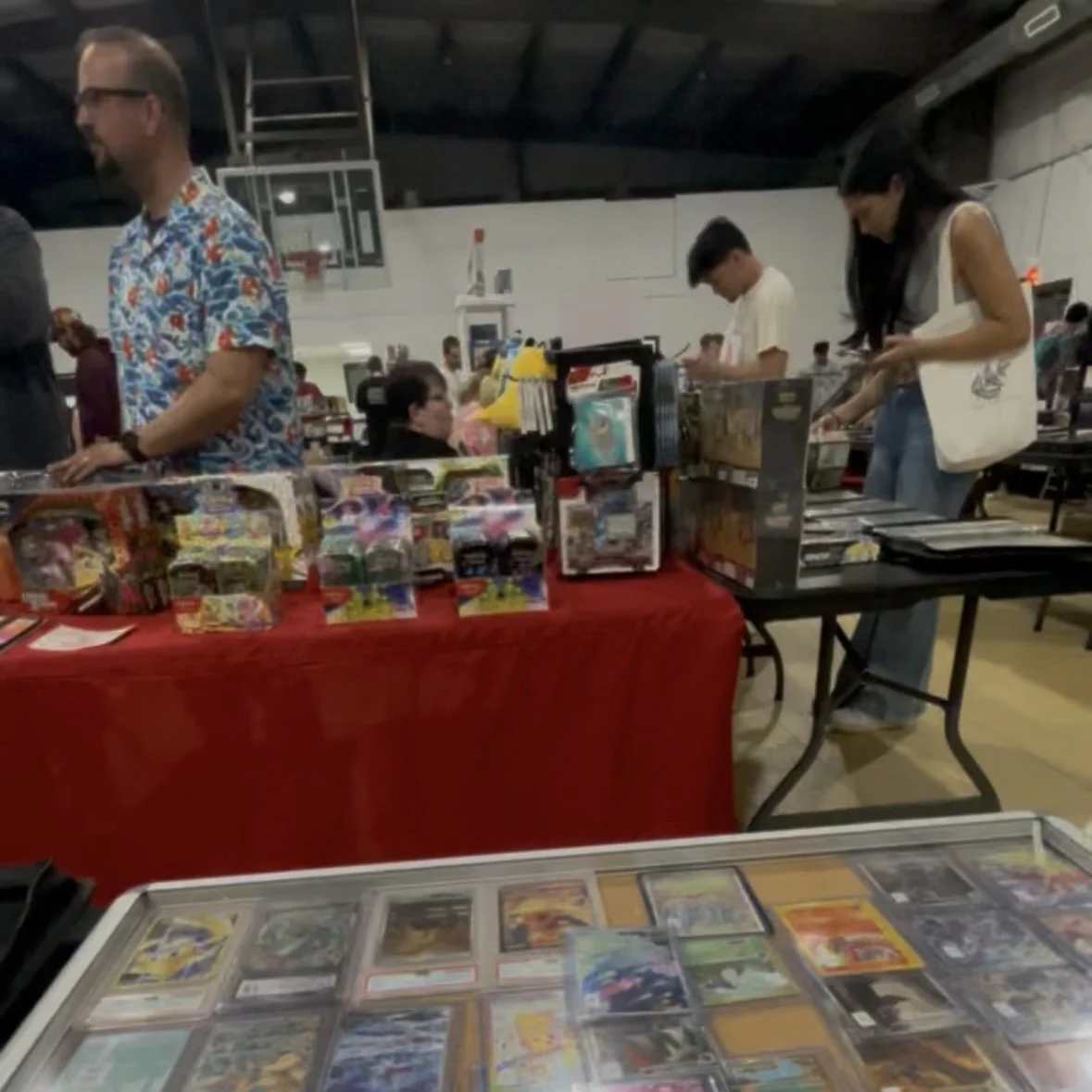
Card shows force you to read customers instantly. You notice what they’re drawn to, what they skip, and how long they linger. Watching someone flip through a binder reveals more than data ever could: what excites them, what price points feel right, and what makes them hesitate. These shows taught me how to adjust layouts, highlight high-demand items, and build a mix for different buyer types: collectors, investors, casual shoppers, and kids. That on-the-floor instinct for interest and demand is the same intuition buyers use when analyzing trends and sales.
Spotting Trends, Hype Cycles, and Scarcity
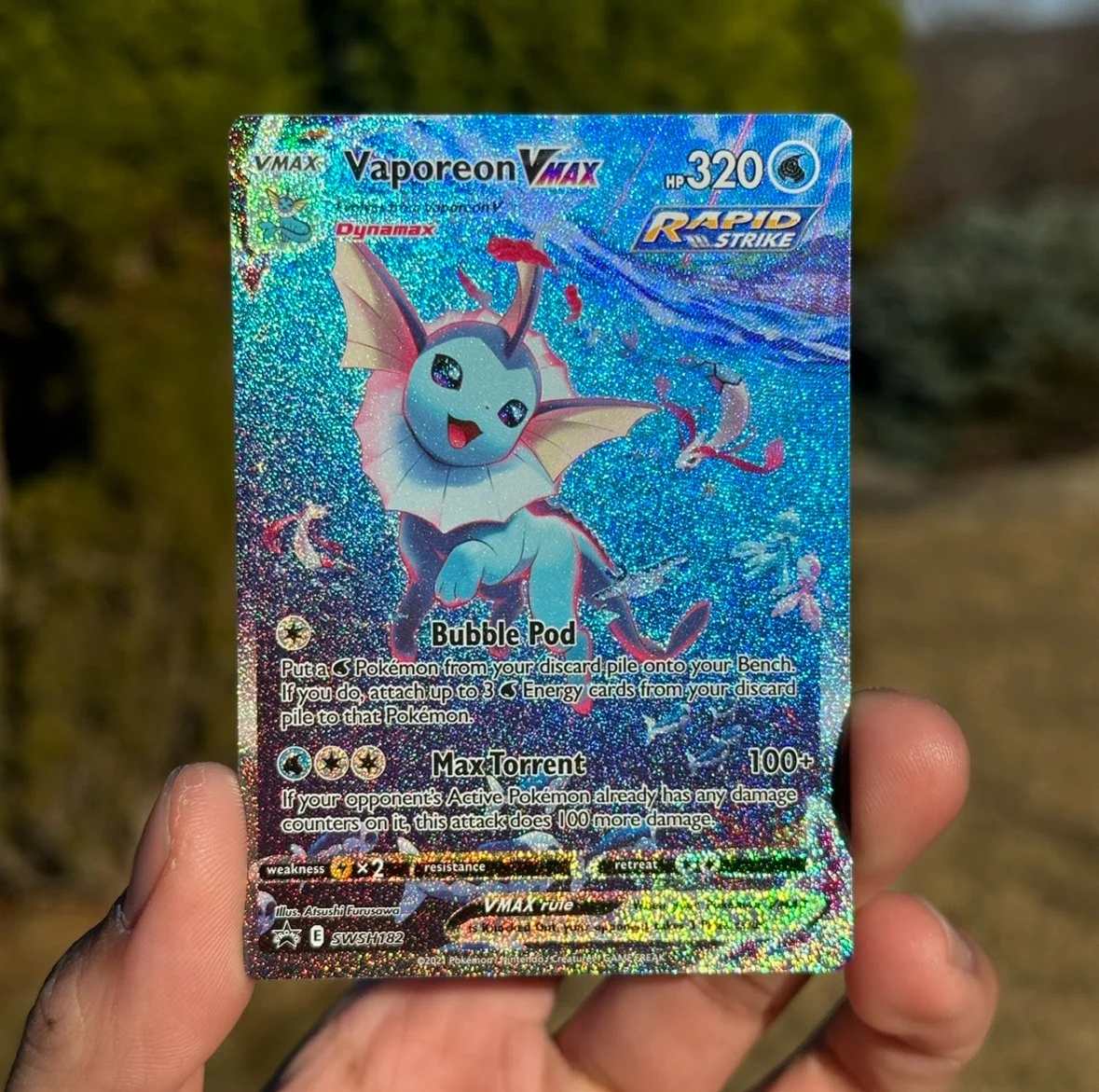
Pokémon is the perfect training ground for understanding how trends and hype cycles form. One influencer pull, a new release, or a nostalgia wave can spike demand overnight. I learned to spot early signals; rising eBay comps, vendor chatter, certain artworks gaining traction, or underpriced cards disappearing from showcases. Knowing scarcity factors like print runs and chase rates helped me predict which cards would hold value versus fade quickly. It’s the same skill set used in fashion forecasting: reading signals early, leaning into demand at the right moment, and avoiding short-lived hype.
Negotiation, Strategy & How It Shaped My Merchandising Mindset
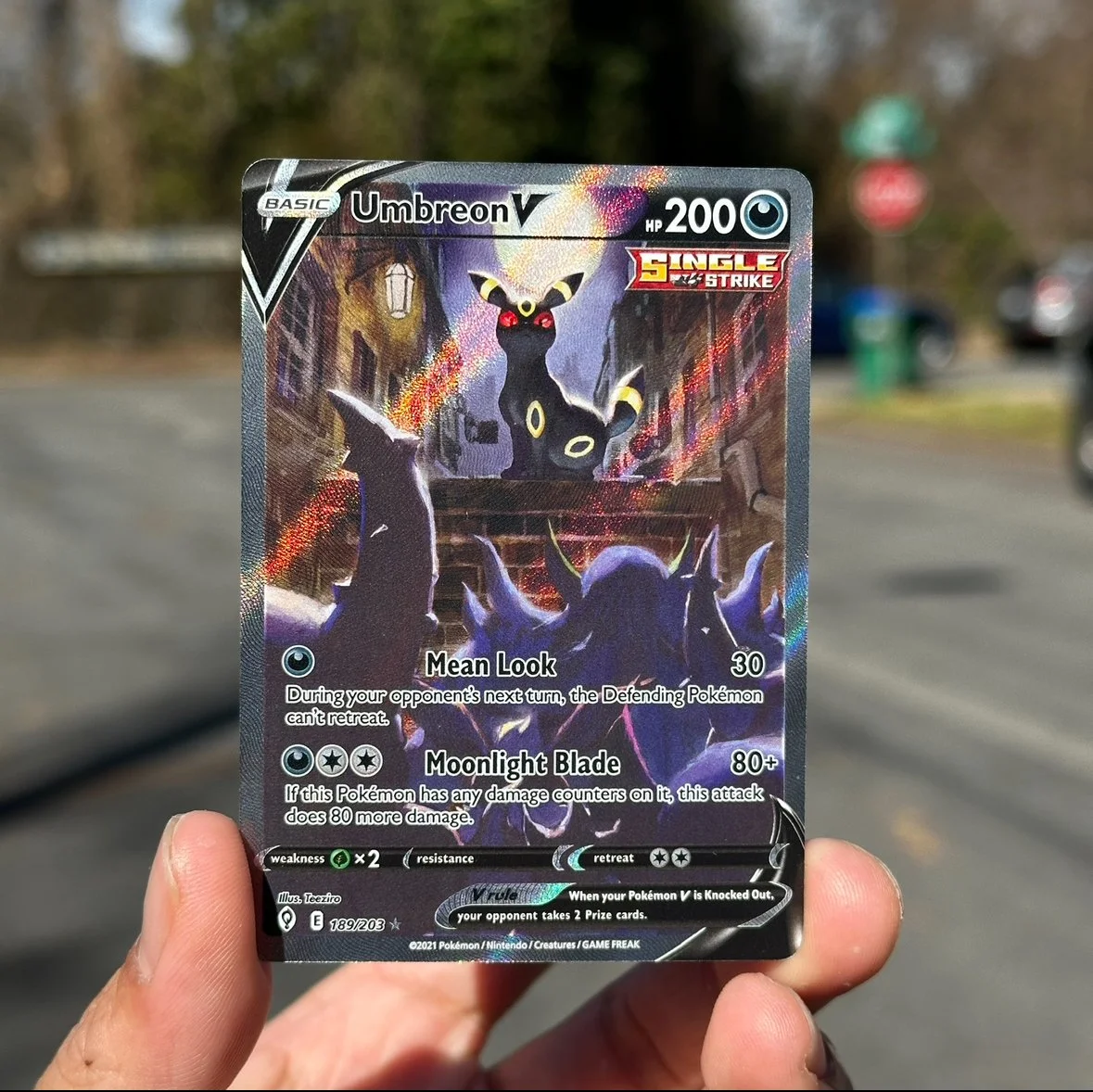
One of the biggest skills I gained from vending is negotiation. Every show involves constant conversations with vendors and buyers, each with different goals and price limits. Learning to create fair deals, justify pricing, and walk away when margins don’t work strengthened my strategic thinking. Managing thousands in inventory at twenty-one taught me discipline, confidence, and financial awareness. Most importantly, it shaped how I approach retail buying: building smart assortments, protecting margin, reading demand signals, and understanding that value is psychological as much as numerical. Pokémon taught me how markets move, and how people move within them.
